Sustainable Digital Asset Management: The Fastest Way to Cut Waste in Content Ops
Sustainable digital asset management sounds like the kind of phrase marketers slap on a slide deck and forget by lunch. It should not.
If your team keeps five copies of every campaign file, stores 8K video nobody will touch again, and recreates assets because nobody can find the original, your content operation has a waste problem. A DAM can fix more of that mess than most teams realize.
This matters more now because content volume is climbing, AI is speeding up production, and storage habits that felt harmless in 2023 now look expensive and sloppy in 2026. CMSWire recently pointed out that DAM is sitting right in the middle of the digital sustainability debate. That feels right. The system that controls your asset sprawl also controls a chunk of your digital waste.
The point is not to pretend your software stack will save the planet. The point is simpler. A well-run DAM helps your team store less junk, reuse more good work, and stop burning money on avoidable chaos. That is a sustainability story worth telling because it is tied to real operations, not vague virtue.
Sustainable digital asset management starts with less junk
When people hear sustainability, they jump straight to data centers and carbon accounting. Fair enough. Storage has a footprint. Video processing has a footprint. AI enrichment has a footprint. But most marketing teams are skipping the boring part that actually moves the needle first. They are keeping too much useless content and making too much new content because the old content is impossible to trust or find.
That is where sustainable digital asset management starts. Not with a dashboard full of green claims. With control. If your library has clean metadata, clear statuses, versions you can trust, and retention rules that mean something, you stop acting like every campaign needs to begin from zero.
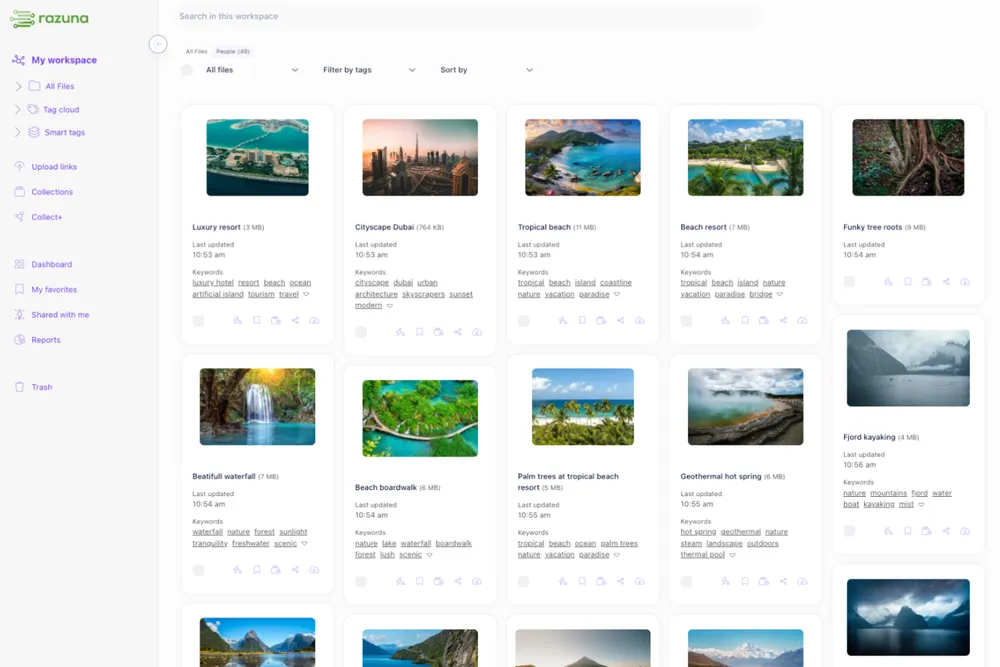
Razuna's core DAM model already points in that direction. The whole point of a governed library is to centralize files, make approved assets findable, and stop bad sharing habits before they spread. If you still treat sustainability as a side project owned by procurement or compliance, you miss the obvious. A messy asset library is an operational waste machine.governed library is what separates useful reuse from expensive clutter.
- The same hero image is uploaded by three teams in three sizes.
- Agencies ask for files that already exist because nobody knows where the latest approved version lives.
- Campaign teams re-shoot or redesign assets because search is weak and metadata is inconsistent.
- Old files sit around forever because no one owns archival rules.
- Large originals get shared everywhere even when a lighter approved rendition would do the job.
None of that sounds glamorous. It is still the work. Sustainable digital asset management means building a system where good assets stay useful longer and bad assets stop multiplying.
Why waste in content ops gets expensive fast
A lot of digital waste looks harmless because it is invisible. Nobody sees duplicate PNGs stacked across folders. Nobody notices another round of exports pushed to three chat threads. Nobody counts how often teams recreate a product shot because the original is buried under names like final_final_v7.
But the cost shows up everywhere. Storage grows. Search gets noisier. Approval cycles slow down. Brand consistency slips. The team becomes less willing to reuse anything because trust is gone. Once that happens, volume wins.
CMSWire's argument was useful because it framed DAM as a way to reduce redundancy, support asset reuse, and apply better retention logic. That is the practical angle. You do not need perfect carbon math to know duplicate-heavy libraries are wasteful. You just need to look at the daily behavior.
This is also why sustainable digital asset management is really a governance problem disguised as a sustainability one. If you do not know which assets are approved, current, licensed, or expired, your team will default to overproduction and overstorage. Waste follows confusion.
How sustainable digital asset management works in practice
If you want a cleaner content operation, start with four rules. They are not complicated. They just require someone to care enough to enforce them.
- Keep one source of truth for approved assets. If files live everywhere, reuse dies fast.
- Define retention rules by asset type. Not every draft, export, and raw cut deserves permanent storage.
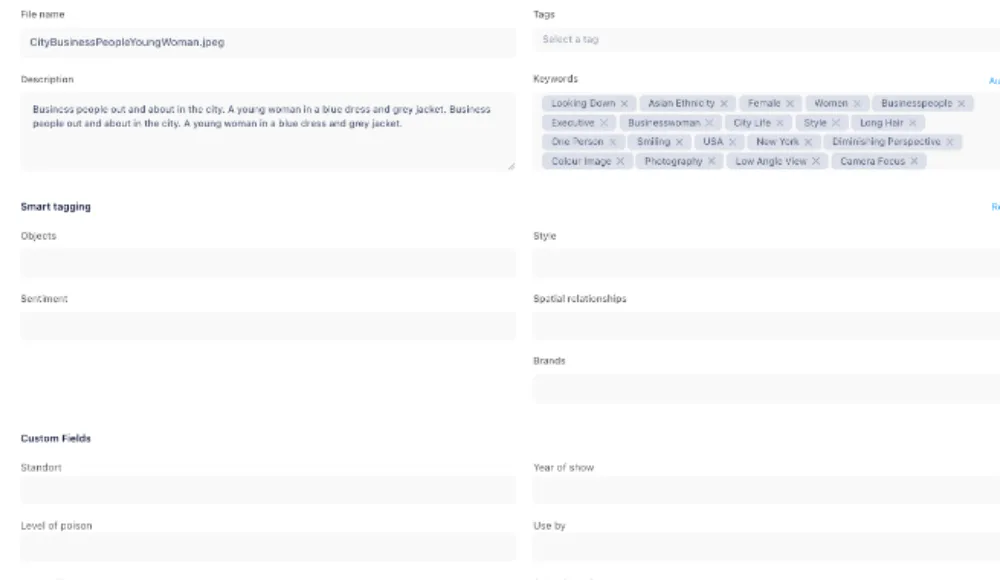
- Use metadata that supports decisions, not just description. Status, campaign, region, rights, owner, and expiry matter more than decorative tags.
- Create renditions for distribution so teams stop sending huge originals when a web-ready asset is enough.
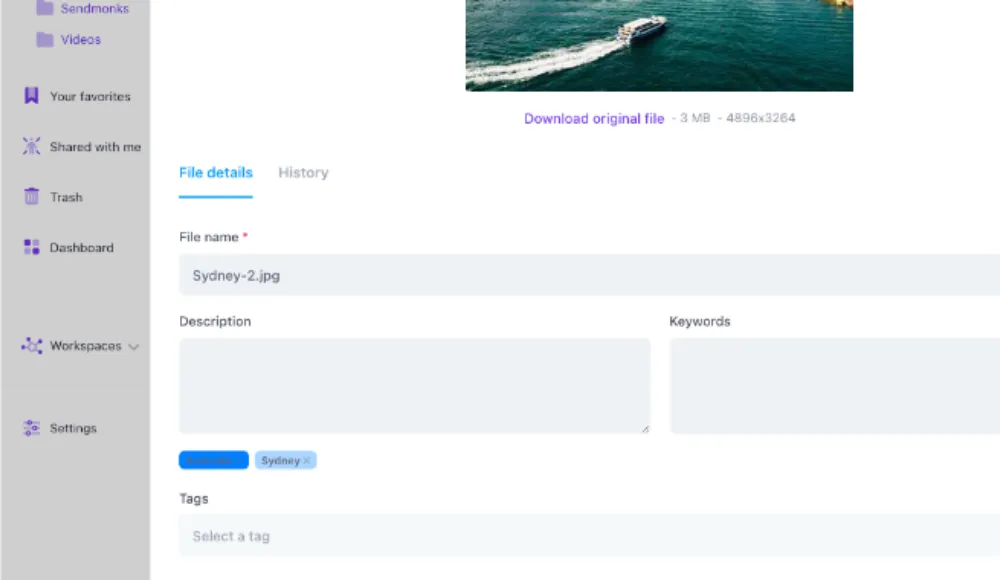
This is where a system like Razuna helps because the tooling already exists. On the product side, features like versioning, custom fields, search, renditions, and permissions are not just nice admin extras. They are the mechanics of waste reduction when used properly. Learn more on Razuna's features page.
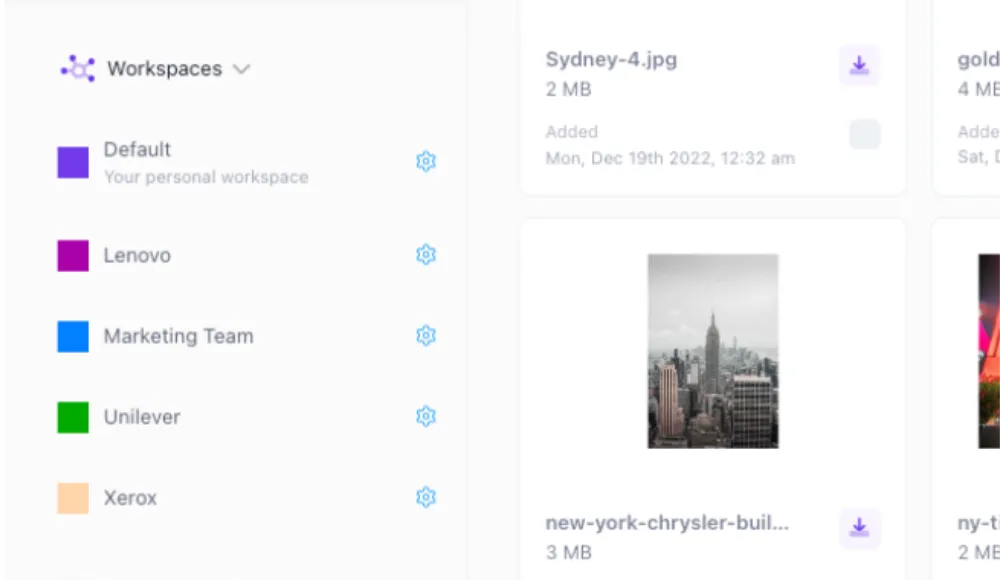
A practical example: if your team stores one approved master, links the correct renditions, and shares access through controlled portals instead of ad hoc copies, you reduce duplication without slowing anyone down. That is better for operations and better for your storage footprint.
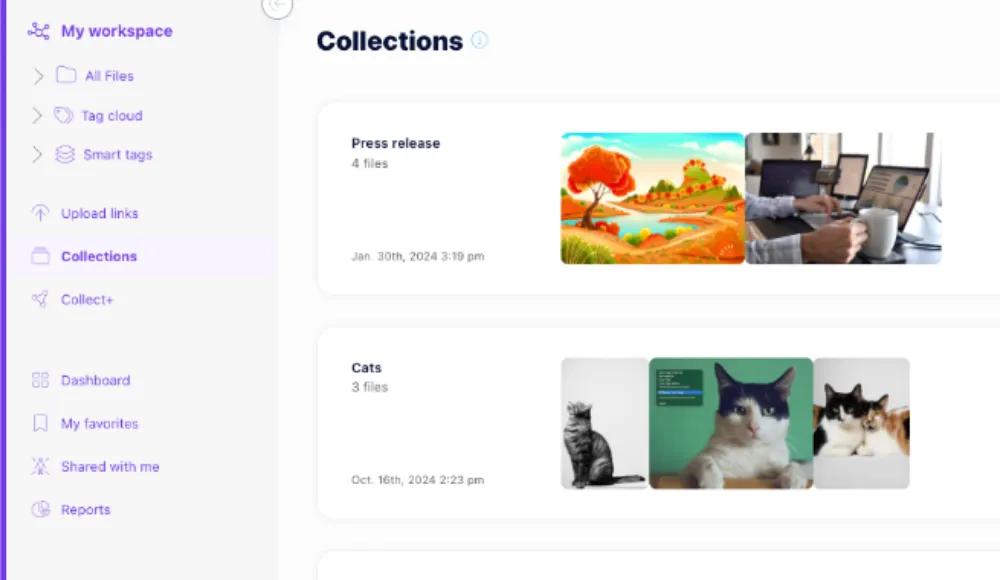
Another example: if archived campaign assets have a clear owner and a review date, you can decide what should be retained, what should move to cold storage, and what should be removed. Most teams never do this. Then they act surprised when their library turns into a digital landfill.
AI can help sustainable digital asset management or make it worse
AI makes this more urgent, not less. Faster content production is great right up until your library fills with low-value experiments, near-duplicates, and derivative assets that nobody will ever use again.
I am not anti-AI here. AI tagging, semantic search, and automated extraction can make sustainable digital asset management more achievable because they improve findability and reuse. If the right asset can be found in seconds, your team has less reason to recreate it. That is the upside.
The downside is obvious. If AI makes it easy to create ten versions instead of two, and your team keeps all ten forever, you have just accelerated the waste problem. Speed without governance is how content ops gets bloated.
So the rule is simple. Use AI to improve retrieval, classification, and decision-making. Do not use AI as an excuse to hoard everything. The smartest DAM setup in 2026 is not the one generating the most assets. It is the one helping teams keep the right ones and retire the rest.
A 30 day cleanup plan for teams that want real progress
If you want to make this real in the next 30 days, do not launch a grand transformation program. Just audit the points where waste multiplies.
- Find the top 20 assets your team reuses most and confirm one approved source for each.
- Pick one campaign folder and remove obvious duplicates, dead exports, and expired assets.
- Add or tighten metadata fields for status, owner, expiry, and usage context.
- Set a rule for when teams should share renditions instead of originals.
- Review your plan against Razuna's features and pricing so the process stays grounded in actual deployment, not theory.
That last point matters. Sustainable digital asset management should not become an expensive science project. Teams need simple rollout logic, clear policies, and a platform that does not punish adoption with per-user pricing. Razuna's pricing model is useful here because unlimited users on paid plans removes one of the dumbest blockers to governance. The more people who should use the source of truth, the easier it is to make reuse normal. Check Razuna pricing before you cite costs or plan rollout assumptions.
And yes, there is a broader environmental question behind all of this. Data centers matter. Energy sources matter. AI workloads matter. But most marketing teams cannot redesign the grid. They can stop running a chaotic asset operation. That is their lever.
The point is not perfection. It is control
So here is the blunt take. Sustainable digital asset management is not about looking responsible. It is about running a content system that creates less junk, keeps good assets alive longer, and makes every approved file easier to trust.
That is good for your team because search gets cleaner, handoffs get faster, and production waste goes down. It is good for finance because storage, duplication, and rework stop creeping upward without anyone noticing. And yes, it is better for sustainability because the cleanest asset is often the one you did not have to recreate, re-upload, or store three extra times.
If your current library feels bloated, nobody trusts the latest version, and every campaign starts with another round of file hunting, do not call it a minor workflow issue. Call it what it is. Waste. Then fix it with a DAM built for control, reuse, and sane growth.
If you want a DAM that helps your team control file sprawl, improve reuse, and keep growth from turning into clutter, try Razuna free.
For practical ways to reduce asset-library clutter, see Metadata Debt in DAM: Why Marketing Teams Keep Losing Assets They Already Own and Organizing Digital Media Assets: 9 Practical Strategies.