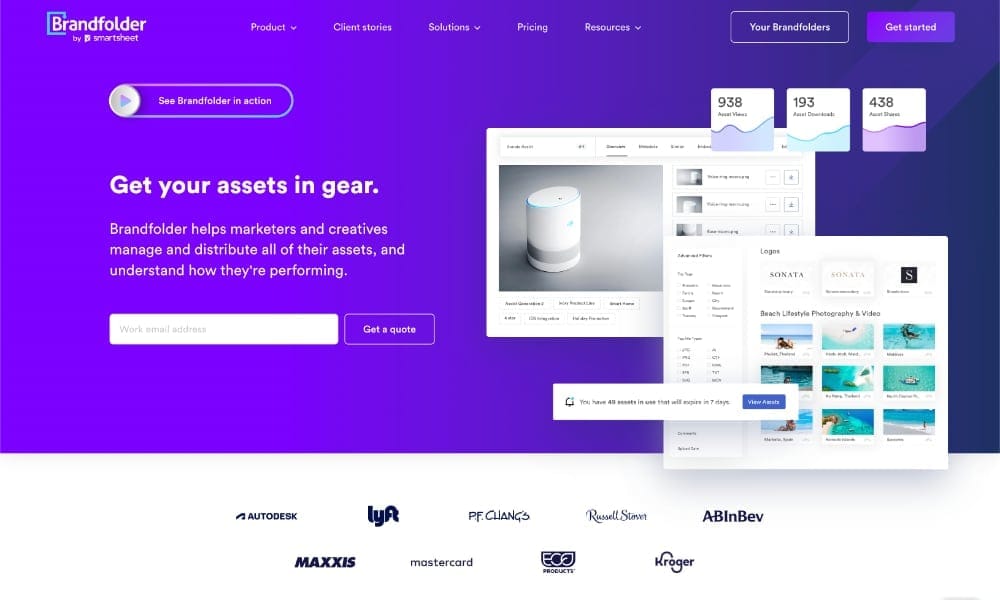
Metadata Debt in DAM: Why Marketing Teams Keep Losing Assets They Already Own

Metadata debt in DAM is one of those problems teams ignore right up until they cannot find the approved logo, the paid social crop is labeled final-final-v2, and someone republishes an expired asset. Then everybody acts shocked. They should not be. Metadata debt is what happens when bad naming, weak tags, missing rights fields, and lazy uploads pile up faster than the team can clean them.
This is not a librarian problem. It is a marketing operations problem. The point of a DAM is not just storage. It is controlled reuse, fast search, approvals, and distribution. If the metadata is dirty, the system stops being a source of truth and turns into a very expensive junk drawer.
Razuna's guide to digital asset management clearly explains the promise. Metadata debt is what breaks that promise in real teams.
Why metadata debt in DAM gets worse as content output rises
Marketing teams now publish across more channels, regions, formats, and campaign variants than they did even a year ago. Add AI-generated images, more video, more localization, and more partner distribution, and the upload volume explodes. The library grows faster than the rules around it.
That is why metadata debt in DAM is becoming a sharper topic in 2026 trend coverage. Vendors and analysts keep circling the same issue from different angles: AI tagging, governance, provenance, localization, rights control, and content reuse all depend on good metadata underneath. Nobody says it politely, but the message is obvious. If your fields are a mess, the rest of the stack is theater.
The pain usually starts small. A freelancer uploads files without campaign names. Product shots arrive with no region marker. A new folder gets created because nobody trusts the old one. A team member skips the rights expiration because the field feels optional. None of those mistakes looks dramatic in isolation. Together, they rot the system.
- Search results get noisy, so teams stop trusting search.
- Approved assets sit unused because nobody can distinguish them from junk.
- Expired, off-brand, or wrong-market assets stay live too long.
- New campaigns recreate assets the company already paid for.
- Analytics on reuse, performance, and asset value become unreliable.
That is the real cost. Not just a mess. Waste.
Metadata debt in DAM is really search debt, reuse debt, and governance debt
Teams often talk about metadata like admin overhead. Wrong framing. Metadata is the operating layer that tells your DAM what an asset is, who can use it, where it belongs, when it expires, and how fast it should surface in search. If those signals are missing or inconsistent, every downstream workflow gets slower and riskier.
Search is the first thing to break. People stop looking for assets when the first page is full of duplicates, raw exports, weird crops, or files with useless labels. Then the team starts asking in Slack, downloading from old emails, or keeping personal stash folders. Once that behavior starts, the DAM loses authority.
Reuse breaks next. A clean DAM should help a team squeeze more value from every photo shoot, product render, video clip, and design system file. But reuse only happens when people can trust what they find. If nobody knows whether an image is current, licensed, approved, or local-market ready, the safe choice is to make something new.
Governance takes the hit after that. Access controls matter. Approval workflows matter. Version history matters. But governance is not magic. It runs on fields. When metadata is weak, permissions and processes cannot save a team from bad retrieval and bad reuse.
The usual causes of metadata debt are boring, which is exactly why they are dangerous
Most teams do not incur metadata debt from a single giant failure. They create it through routine shortcuts. That is why the problem survives budget cycles, reorgs, and new tool rollouts. It hides inside normal work.
- Too many optional fields, so nobody consistently fills in the important ones.
- No controlled vocabulary, so the same campaign gets tagged three different ways.
- Migration imports that drag old folder chaos into the new DAM.
- Agencies and freelancers uploading assets without context.
- No owner for metadata quality after implementation is complete.
- AI tagging with no review layer, which creates speed but not trust.
- No archive policy, so dead assets stay visible forever.
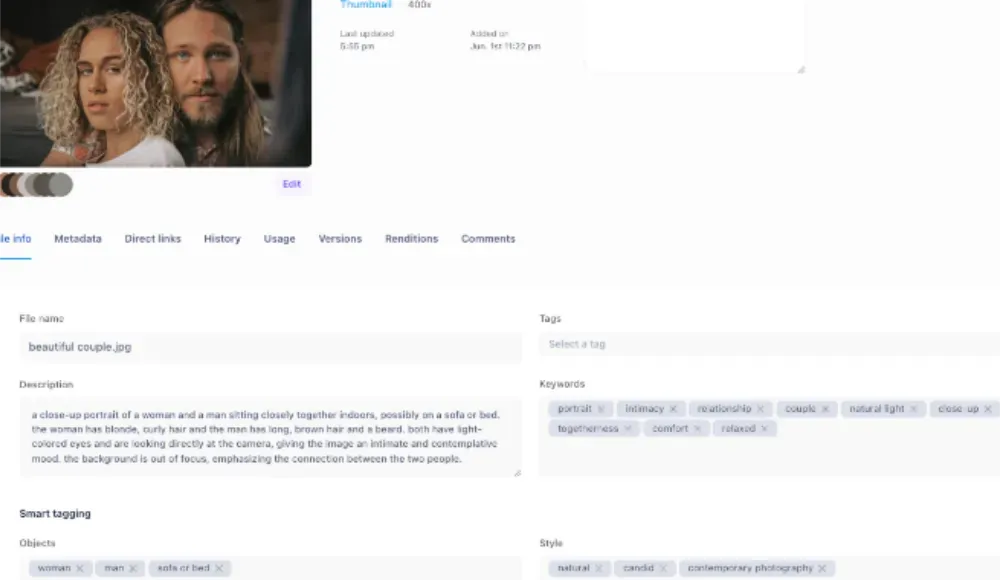
The AI point matters. Automatic tagging is useful. It is also easy to romanticize. AI can describe a scene, detect objects, and accelerate first-pass enrichment. It cannot decide your campaign taxonomy for you. It cannot know which region owns an asset unless you define the field. It cannot clean governance debt by itself. If your model is filling a bad schema faster, you are not fixing metadata debt in DAM. You are scaling it.
How to clean up metadata debt in DAM without freezing the team
The mistake here is trying to fix the whole library in one heroic cleanup project. That burns weeks, annoys the team, and usually dies halfway through. The smarter move is to treat metadata debt like product debt. Prioritize the highest-friction workflows first, set a minimum standard, and enforce it at upload.
A practical cleanup sequence looks like this:
- Audit where search fails most often. Start with the asset classes people complain about every week: logos, campaign masters, product images, sales enablement files, paid social variants.
- Define the non-negotiable fields. Keep it tight. Usually, asset type, brand or product line, market or region, campaign, approval status, rights or expiration, and owner get you most of the way.
- Kill synonyms. Pick one taxonomy and one controlled vocabulary for naming campaigns, channels, products, and regions.
- Separate active from dead assets. Archive aggressively so search stops surfacing garbage.
- Use AI for first-pass enrichment, then apply human review to sensitive fields like rights, approvals, product accuracy, and market use.
- Make incomplete uploads harder. Required fields beat training decks every time.
- Assign an owner. If nobody owns metadata hygiene, the debt comes back immediately.
This is where platform design matters. A DAM should not just store fields. It should make good behavior easier than bad behavior. Required fields, custom metadata, versioning, and approval workflows are not extras. They are how you stop tomorrow's debt from landing on top of yesterday's debt. Razuna's pricing page is also unusually clear about what you get at each level, which matters when teams are evaluating whether governance features are locked behind enterprise nonsense.
What good looks like after the cleanup
You do not need perfect metadata. You need trusted metadata. There is a difference. A healthy DAM is one where a marketer can search for a campaign asset, narrow by region or channel, see the approved version, confirm usage status, and ship with confidence in minutes. Not after asking three people. Not after opening twenty files.
The signs of progress are practical. Search-to-find time drops. Duplicate requests fall. Teams reuse more existing assets. Brand reviews catch fewer basic mistakes. Legal or regional teams spend less time policing usage after the fact. And perhaps most importantly, people stop building side systems because the DAM starts feeling faster than the workaround.
That is when a DAM turns from storage into infrastructure. It enables faster campaign launches, cleaner localization, better rights control, and tighter brand governance because the metadata layer does its job. Suddenly, AI tagging, portals, approvals, and distribution features are working on solid ground rather than atop chaos.
If your team keeps saying the DAM is hard to use, inspect the metadata before blaming adoption
A lot of DAM adoption complaints are really metadata-quality complaints in a different costume. People say search is bad, the system feels cluttered, or uploads take too long. Often they are right. But the underlying issue is not that DAM as a category failed. Nobody protected the information architecture after rollout.
So the right question is not, "Do we need a better DAM?" The right question is, "Can our current DAM enforce the metadata discipline our content volume now demands?" If the answer is no, you will keep paying the tax in wasted asset production, slower launches, and avoidable brand mistakes.
Metadata debt in DAM does not look exciting. It rarely gets budget because it sounds like cleanup work. But the payoff is immediate. Better search. More reuse. Fewer wrong assets in the market. Less duplicate production. More trust in the system your team already bought.
If your library is growing faster than your team can govern it, now is the time to fix the metadata layer before the whole thing hardens into habit. Start with the basics, enforce the fields that matter, and use a DAM that treats metadata as product infrastructure rather than optional admin. Try Razuna for free and see how a cleaner system changes the way your team finds, governs, and reuses assets.