How Are Digital Assets and Digital Footprints Related?
Every organization that operates online leaves behind two distinct but deeply related things: the digital assets it creates, and the digital footprint it builds. For most businesses, these two concepts live in separate conversations -- marketing talks about files, IT talks about data trails. But understanding how they connect is one of the most practical things a company can do to take control of its online presence.
What Are Digital Assets?
A digital asset is any file or piece of content that a company owns, controls, and uses. That includes brand logos, product images, marketing videos, audio recordings, PDF documents, design templates, and even metadata attached to those files.
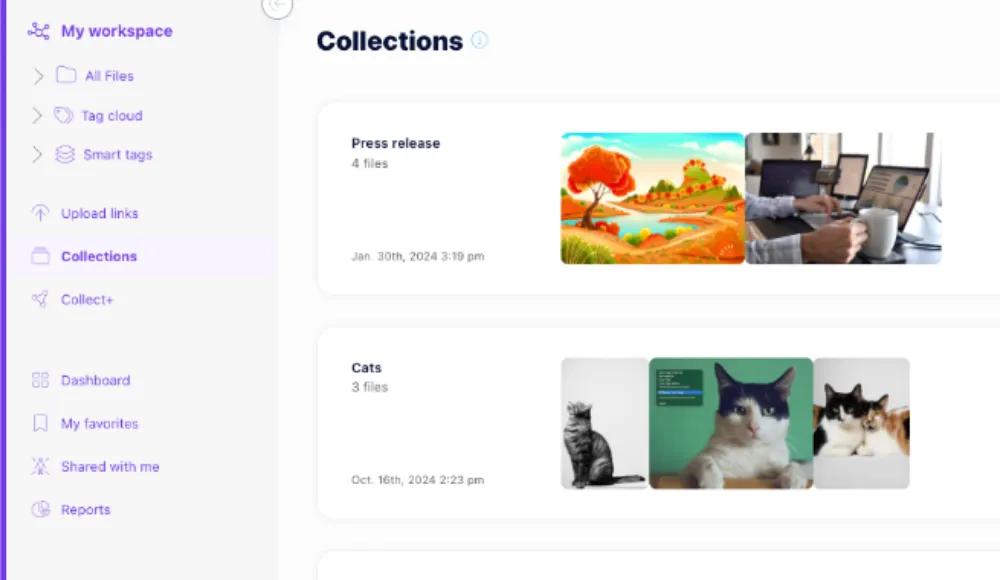
Digital assets have value because they can be reused, repurposed, and redistributed. A well-organized library of brand-approved assets saves hours of rework every week and ensures that every team, agency, and partner is pulling from the same approved source. This is why Digital Asset Management (DAM) platforms exist -- to give organizations a single home for every file that matters.
When a company does not manage its digital assets carefully, files end up scattered across shared drives, email threads, and personal hard drives. Quality control breaks down. Outdated logos appear in live campaigns. Brand consistency erodes. And critically, the company loses visibility into what it owns, who is using it, and where it ends up.
What Is a Digital Footprint?
A digital footprint is the cumulative record of a company's activity online. Every page indexed by Google, every image cached on a social platform, every press release still live on a third-party site, every asset ever uploaded to a public URL -- all of it contributes to the footprint.
There are two types:
- Active footprint: content the company intentionally publishes -- website pages, social posts, press releases, ad creatives, blog posts.
- Passive footprint: data generated as a byproduct of activity -- analytics, cookies, platform logs, cached versions of old pages, and republished assets.
Your digital footprint is not just what you publish today. It is everything that was ever published and has not been actively removed. Old product images. Expired campaign assets. Assets syndicated to partner sites years ago that are still live. The footprint accumulates whether you are paying attention or not.
How Digital Assets and Digital Footprints Are Related
The connection is direct: every digital asset that leaves your organization either expands or shapes your digital footprint.
When you publish a product video to YouTube, you are adding a node to your footprint. When you share a press kit with a journalist and they embed your logo, that asset now exists on a domain you do not control. When you update your brand guidelines but old assets are still floating around agency servers or partner portals, the outdated versions continue representing your brand in your footprint.
In short: assets are the raw material. The footprint is what persists after assets go out into the world.
This has three practical consequences:
- Brand consistency depends on asset hygiene. The quality and accuracy of your digital footprint is a direct reflection of how well you manage the assets that feed it.
- Compliance risk lives at the intersection. Assets that contain personal data, expired licenses, or outdated regulatory disclosures become compliance liabilities the moment they enter the footprint.
- Search visibility is shaped by assets. Images, videos, and documents that are properly tagged and structured contribute to how search engines index and rank your content.
Why Businesses Often Miss This Connection
Most companies manage digital assets and digital footprint as separate problems. The DAM system is a marketing tool. SEO and brand monitoring are separate functions. Legal and compliance get involved only when something goes wrong.
This siloed approach creates blind spots. A company might have a robust internal DAM but no process for tracking what happens to assets after they are shared externally. Or they might actively monitor their brand online but lack the internal infrastructure to quickly update or replace assets that have gone stale.
The gap between asset creation and footprint management is where brand damage, compliance issues, and missed opportunities tend to live.
Controlling Your Footprint Starts With Your Assets
The practical implication is that managing your digital footprint well requires managing your digital assets well -- and that means investing in a system that gives you visibility, control, and auditability.
Here is what that looks like in practice:
- Every asset has a clear owner and an expiry policy.
- External sharing is tracked -- who received which asset, and when.
- When an asset is updated or retired, the change is propagated to anyone who received the original.
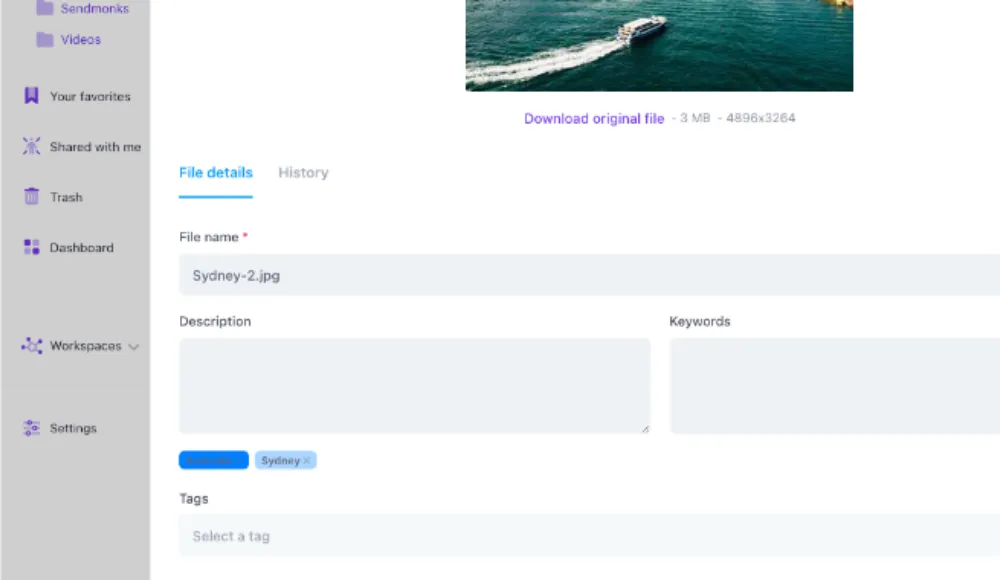
- Metadata is consistently applied so that assets can be found, filtered, and audited quickly.
- Public-facing assets are linked back to canonical sources that can be updated or removed.
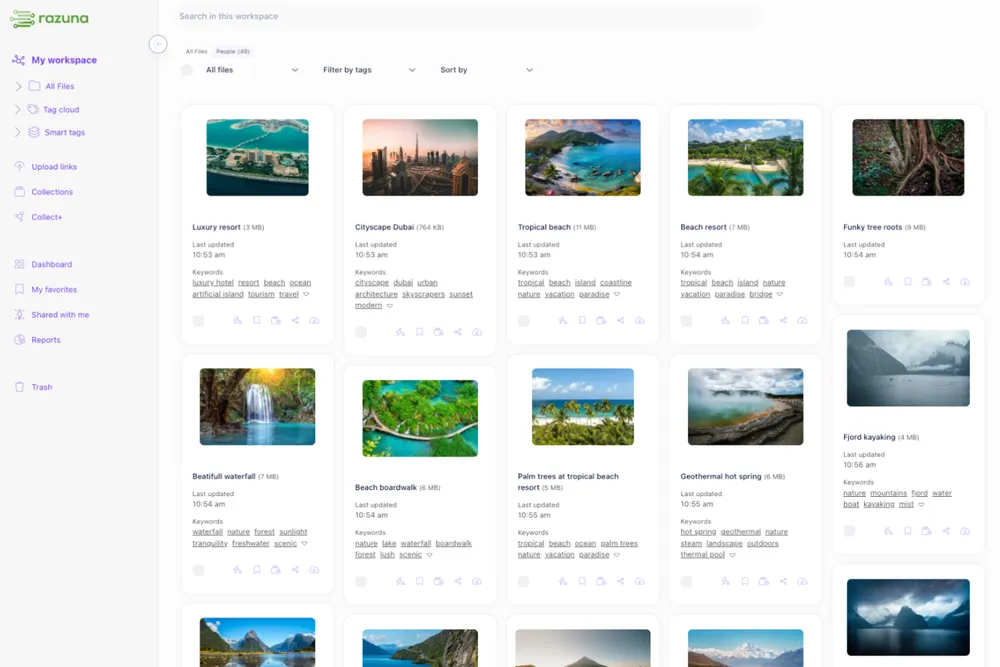
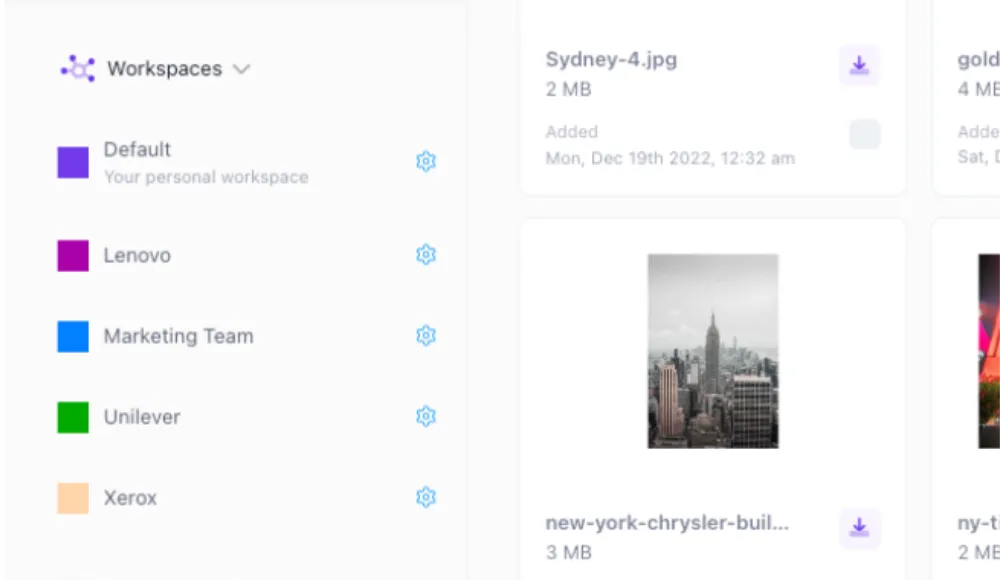
A platform like Razuna is built for exactly this kind of structured asset management. With Razuna, teams can store every asset in one place, apply rich metadata, set access permissions, and track how assets are shared. This is not just an organizational nicety -- it is the foundation of a manageable digital footprint.

The Role of AI in Linking Assets to Footprint
AI is changing how organizations can approach this relationship. Historically, connecting the internal asset library to the external footprint required manual audits -- someone going through old campaigns, partner portals, and archived content to see what was still live.
AI-powered DAM tools can now automate parts of this process. They can identify visually similar assets across sources, flag files with expired licenses, auto-tag content based on visual recognition, and surface assets that have not been reviewed in a defined period.
Razuna's AI-assisted features help teams stay on top of their asset libraries without requiring constant manual intervention. Auto-tagging, smart search, and metadata suggestions reduce the overhead of keeping a clean asset library -- which in turn reduces the risk of outdated or incorrect assets feeding into your digital footprint.
Practical Steps to Align Asset Management and Footprint Control
If your organization wants to bring these two areas into alignment, here is a starting point:
- Audit your current asset library for outdated, duplicate, or unlicensed files before those assets create footprint problems.
- Establish a clear external-sharing policy that logs who receives each asset and includes expiry or revocation procedures.
- Tag every asset with metadata that reflects its intended use, expiry date, and associated campaign or product.
- Set up brand monitoring to identify where your assets appear online -- and connect that monitoring back to your DAM so you can act quickly when outdated versions surface.
- Review your footprint periodically against your current approved asset set. Where there is a mismatch, take action.
Conclusion
Digital assets and digital footprints are two sides of the same coin. Every asset your organization creates, shares, or publishes becomes part of the record your brand leaves online. Managing that record well starts not with monitoring the footprint after the fact, but with controlling the assets that create it in the first place.
For organizations that take their brand seriously, this means investing in a DAM solution that provides the structure, visibility, and control needed to keep the asset library clean -- and by extension, the digital footprint accurate, consistent, and on-brand.
If you are ready to take control of your digital assets -- and by extension your digital footprint -- explore Razuna and see how a purpose-built DAM platform can help your team stay organized, compliant, and on-brand.
For background on asset rights and provenance, see What Is Digital Rights Management? and Content Provenance and Your DAM: Why C2PA Matters for AI-Generated Assets.