Content Provenance and Your DAM: Why C2PA Matters for AI-Generated Assets
Your team is generating more digital content than ever. AI tools are cranking out product images, ad variations, and social graphics at a pace no human team could match. That speed is great. The governance headache that comes with it is not.
Here is the problem nobody is talking about openly: when you can not tell which assets are AI-generated, which are human-created, and which have been modified since they left your brand team, you lose control of your brand. Quietly, gradually, then all at once.
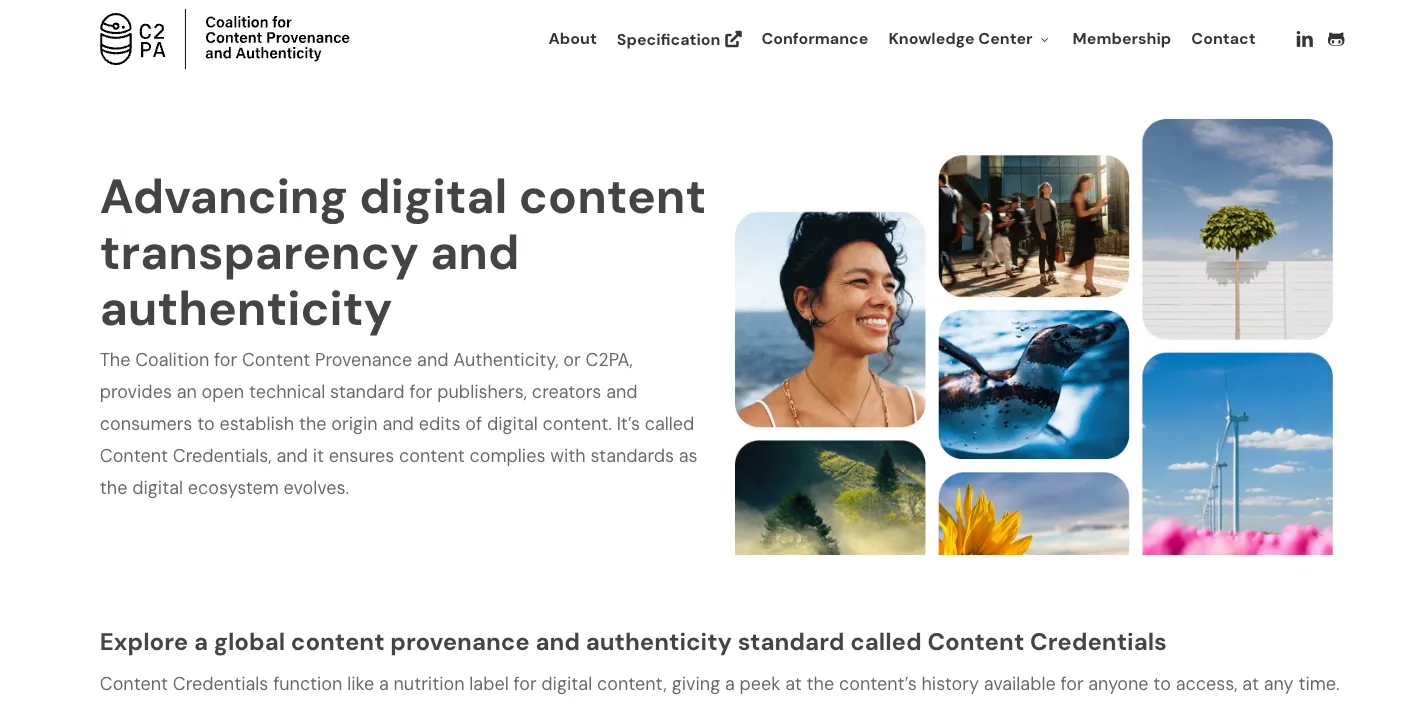
Content provenance is the fix. And the C2PA standard, which stands for Coalition for Content Provenance and Authenticity, is how the industry is doing it.
What Is Content Provenance?
Content provenance is a verifiable record of where a digital asset came from, how it was created, and what happened to it along the way. Think of it as a tamper-resistant audit trail embedded directly into the file.
C2PA is the open technical standard that makes this work at scale. Founded by Adobe, Microsoft, Intel, and others, C2PA embeds cryptographically signed metadata called Content Credentials into images, videos, audio, and documents. That metadata travels with the file, wherever it goes.
When someone opens an asset with Content Credentials attached, they see a 'Cr' icon. Click it, and you get a 'digital nutrition label': who created it, with which tools, whether AI was involved, and what edits were made. LinkedIn started displaying this icon in 2024. TikTok followed. The standard was on track for ISO adoption by 2025.
This is not niche infrastructure anymore. It is becoming table stakes for anyone managing assets at scale.
Why This Matters for Your DAM
Your digital asset management system is only as trustworthy as the assets inside it. Right now, most DAMs store assets without any built-in way to answer basic questions:
- Was this image generated by AI or shot by a photographer?
- Has this approved asset been modified since it was signed off?
- Does this version comply with the rights permissions we negotiated?
- Which of these 47 logo variants did we actually approve?
These are not edge cases. They are daily problems for marketing teams, brand managers, and agency ops leads. And they get worse as generative AI floods the pipeline with new assets.
The volume problem is real. According to research cited by G2, organizations are seeing exponential growth in digital assets in 2025, driven by generative AI tools. More assets, faster creation, higher variance in quality, and provenance. This is exactly why AI agents in your DAM need governance guardrails, not just speed. Without them, that is a recipe for brand inconsistency and compliance exposure.
What C2PA-Ready DAM Actually Looks Like
Provenance at ingestion
When an asset enters your DAM, the system checks for Content Credentials. If they exist, the metadata is indexed: creation tool, AI involvement, original creator, and timestamp. If they do not exist, the asset is flagged as unverified. This alone gives your team a clear picture of what you are working with.
Modification tracking
Every time an approved asset is edited, the new version should carry an updated C2PA signature that chains back to the original. Your DAM then maintains a verified history, not just 'v1, v2, v3' folder names, but cryptographically linked records of what changed and when.
AI disclosure as a workflow step
Teams using generative AI to create or modify assets need a lightweight step: flag it. The C2PA content authenticity API enables this to happen automatically when tools such as Adobe Firefly or other signed generation tools are used. Your DAM can enforce a policy: AI-generated assets require review before they hit approved status.
Access and rights tied to provenance
Rights management is cleaner when provenance is clear. If a licensed image has usage restrictions, that context should travel with the file. C2PA credentials can carry rights metadata that your DAM reads and surfaces to users before they download or publish.

The AI Governance Angle
The governance challenge is not just internal. It is becoming a legal and regulatory question.
In March 2026, the White House released a National Policy Framework for Artificial Intelligence that directly addressed AI-generated content governance, including intellectual property protections and transparency requirements. The TAKE IT DOWN Act, enacted in May 2025, already criminalized certain categories of manipulated digital content.
This is the direction legislation is heading. Organizations that wait for requirements to become mandatory before building governance infrastructure will be retrofitting under pressure. Those who build it now get the competitive advantage of clean content pipelines and auditable records before anyone asks for them.
Specifically for marketing teams and agencies: your clients will ask. If you are producing AI-generated content on their behalf, they will want proof of what was created and how it was created. Having a DAM that can produce that audit trail is a differentiator, not just a compliance checkbox.
The Practical Step for Marketing Teams
You do not need to overhaul everything tomorrow. Here is a sensible sequence:
- Audit your current asset creation workflow. Identify where AI tools are being used and whether those outputs are currently tracked any differently from human-created assets.
- Check your DAM for C2PA support. Some platforms are already integrating content credentials into their metadata pipelines. If yours is not, put it on the vendor roadmap conversation.
- Establish an internal disclosure policy. AI-generated assets should be labeled as such before they enter the approved library. This protects you from accidental misrepresentation.
- Tie provenance to approval gates. Assets without verified provenance should require manual review before entering the publish-ready state.
- Think about client-facing transparency. If you work with external clients or regulated industries, a provenance report from your DAM could become a standard deliverable.
None of this requires waiting for your DAM vendor to ship a C2PA integration. Metadata policies and review gates can be implemented with fields and workflows you probably already have. The standard just makes it systematic and tamper-resistant at scale.
What This Means for the DAM Market
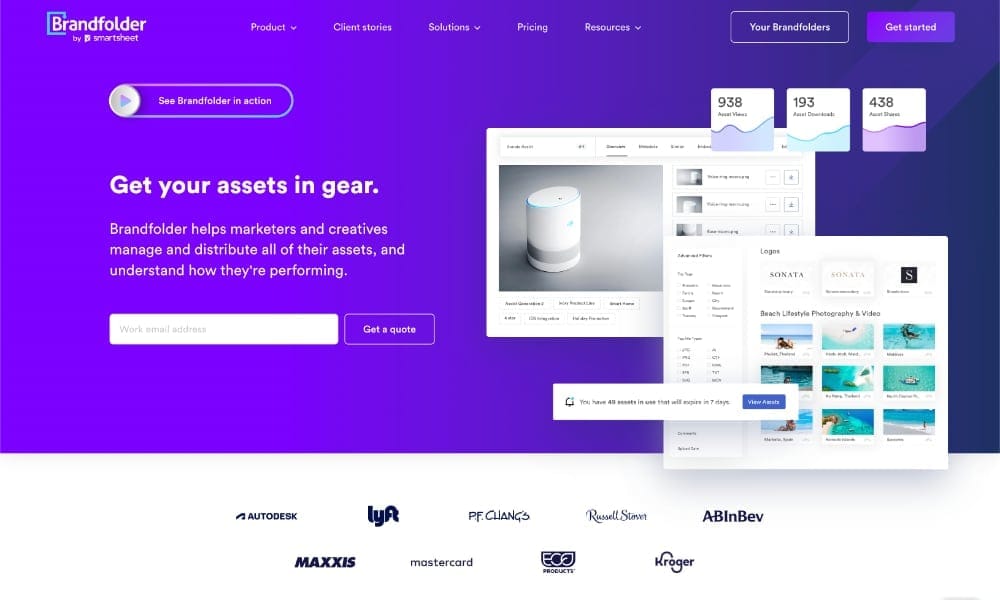
Enterprise DAM buyers are increasingly asking about content authenticity. Brandfolder, Bynder, and Canto are all fielding questions about AI governance from procurement teams that are also fielding questions from their own legal and compliance departments.
The DAM vendors that move fast on C2PA integration will win enterprise deals where governance is a requirement, not a nice-to-have. Those that treat provenance as an afterthought will lose to platforms that can say, "Every asset in your library has a verified record of where it came from."
This is not a distant future problem. The C2PA Conformance Program launched in mid-2025. The Interim Trust List was frozen in January 2026. The infrastructure is here. The market is moving.
Frequently Asked Questions
What is C2PA?
C2PA stands for Coalition for Content Provenance and Authenticity. It is an open technical standard that embeds cryptographically signed metadata into digital files, recording their origin, creation tools, and edit history in a tamper-resistant format.
Does C2PA require special camera hardware?
Hardware implementation is still developing. Manufacturers like Sony, Nikon, and Leica are beginning to ship cameras with C2PA signatures. For software-generated or edited content, tools like Adobe Creative Cloud already support Content Credentials without hardware changes.
Can C2PA metadata be stripped from a file?
Yes, metadata can be stripped from files in some cases. C2PA acknowledges this limitation. The presence of credentials is a strong signal of authenticity; their absence flags a file as unverified, not necessarily manipulated. This is why systematic DAM-level tracking matters alongside file-embedded credentials.
Is C2PA mandatory for AI-generated content?
Not yet, though regulatory direction is moving that way. The White House AI framework released in March 2026 addresses AI transparency. Proactive adoption now positions organizations ahead of future requirements.
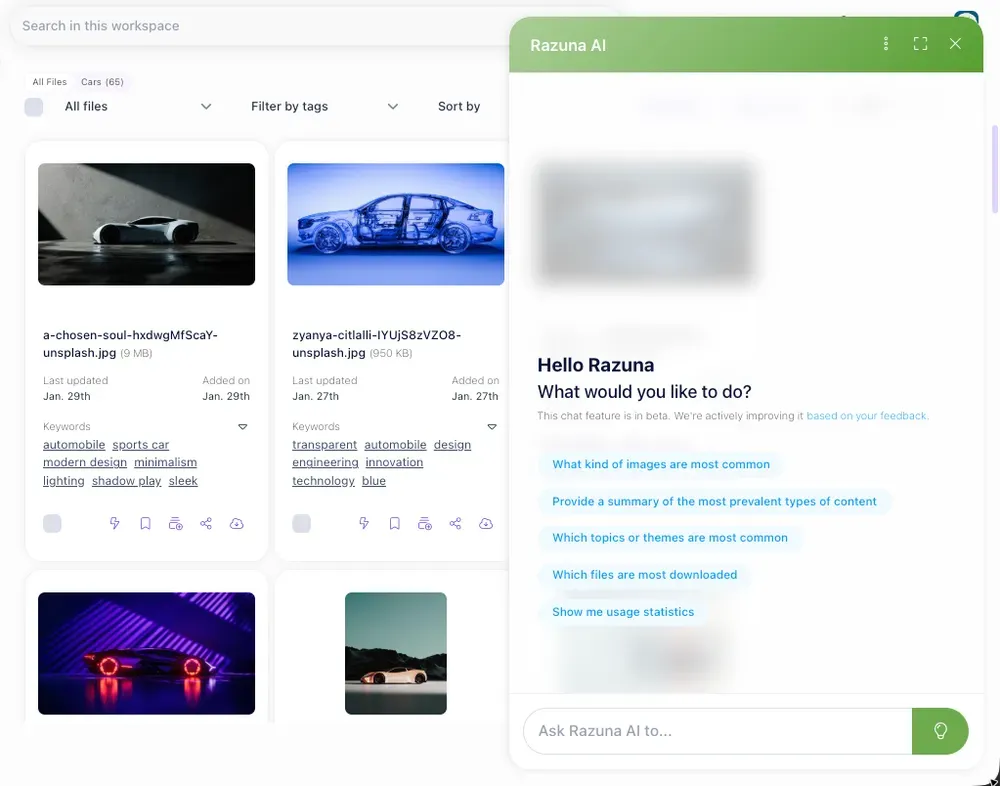
Managing a fast-growing library of AI and human-created assets? Razuna gives marketing teams the structure to track, organize, and govern assets at scale.
See how it works and start free at razuna.com.