Digital Asset Management System: Definition and Why You Need It
As digital content becomes the cornerstone of modern business operations, managing these assets efficiently is no longer optional—it's essential. Whether you're launching a startup or scaling an established enterprise, understanding what a digital asset management (DAM) system is and how it can transform your operations is critical to staying competitive.
A digital asset management system isn't just storage for your files—it's a comprehensive platform that organizes, secures, and optimizes how your team creates, collaborates on, and distributes digital content. From marketing materials and brand assets to product imagery and video content, a DAM system brings structure to digital chaos.
In this comprehensive guide, we'll define what a digital asset management system is, explore the key benefits it delivers, examine features found in leading platforms, and explain why businesses across industries consider DAM systems indispensable.
Related: For a broader overview, see our digital asset management (DAM) definitive guide and the Razuna features page.
What Are Digital Assets?
Before understanding the system that manages them, it's important to define what digital assets actually are. A digital asset is any content that exists in digital format, possesses value to your organization, and has ownership rights attached. This encompasses a vast range of content types:
- Visual Content: Images, photographs, graphics, logos, infographics, and illustrations
- Video and Audio: Marketing videos, product demos, podcasts, music tracks, and sound effects
- Documents: PDFs, presentations, spreadsheets, contracts, and reports
- Design Files: PSD files, vector graphics, templates, and brand guidelines
- Digital Products: Software, applications, and digital publications
In the business context, digital assets are the files your teams use for branding, marketing, operations, and customer engagement. Like any valuable asset, they require proper oversight and management—which is exactly what a DAM system provides.
What Is a Digital Asset Management (DAM) System?
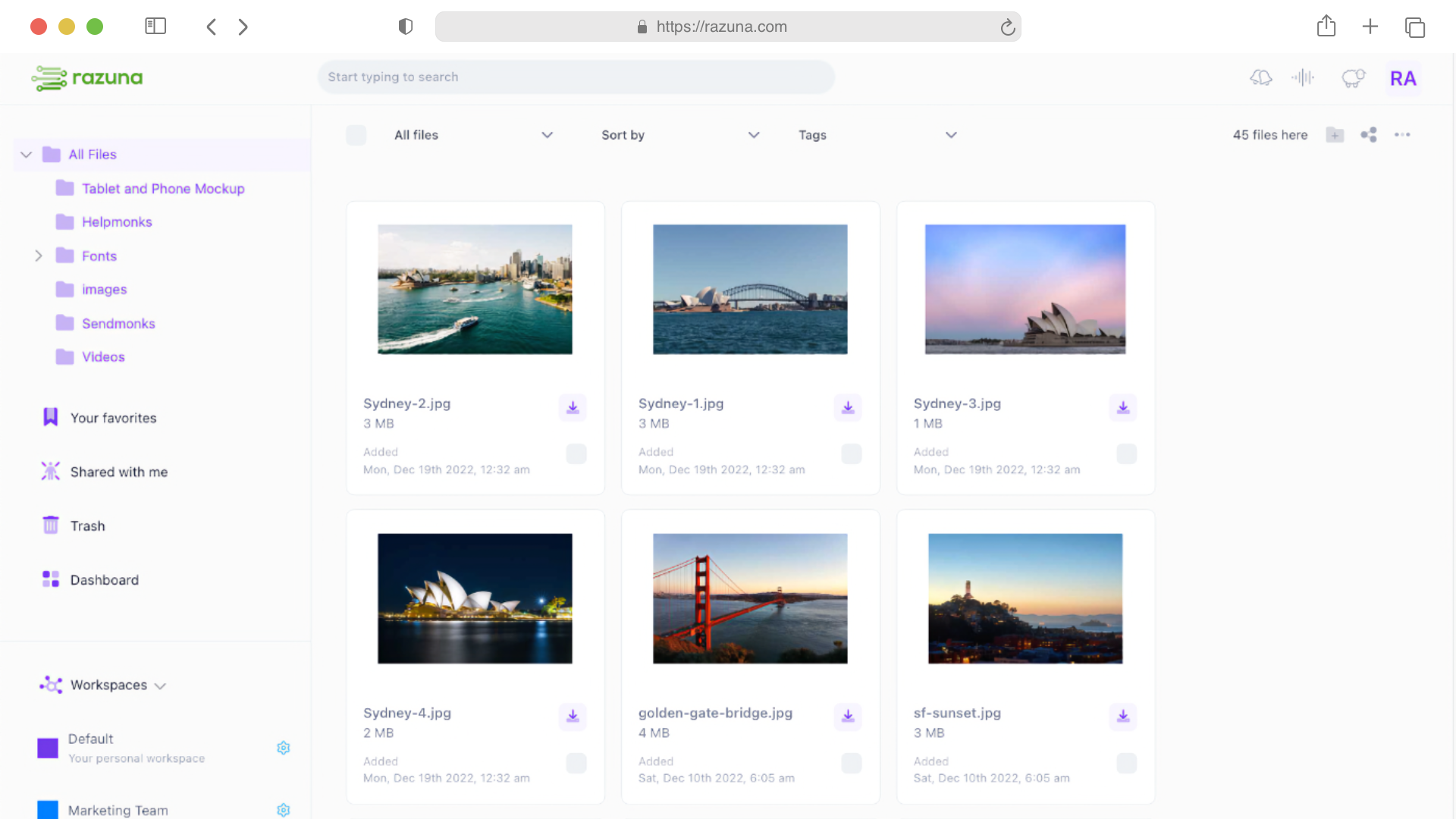
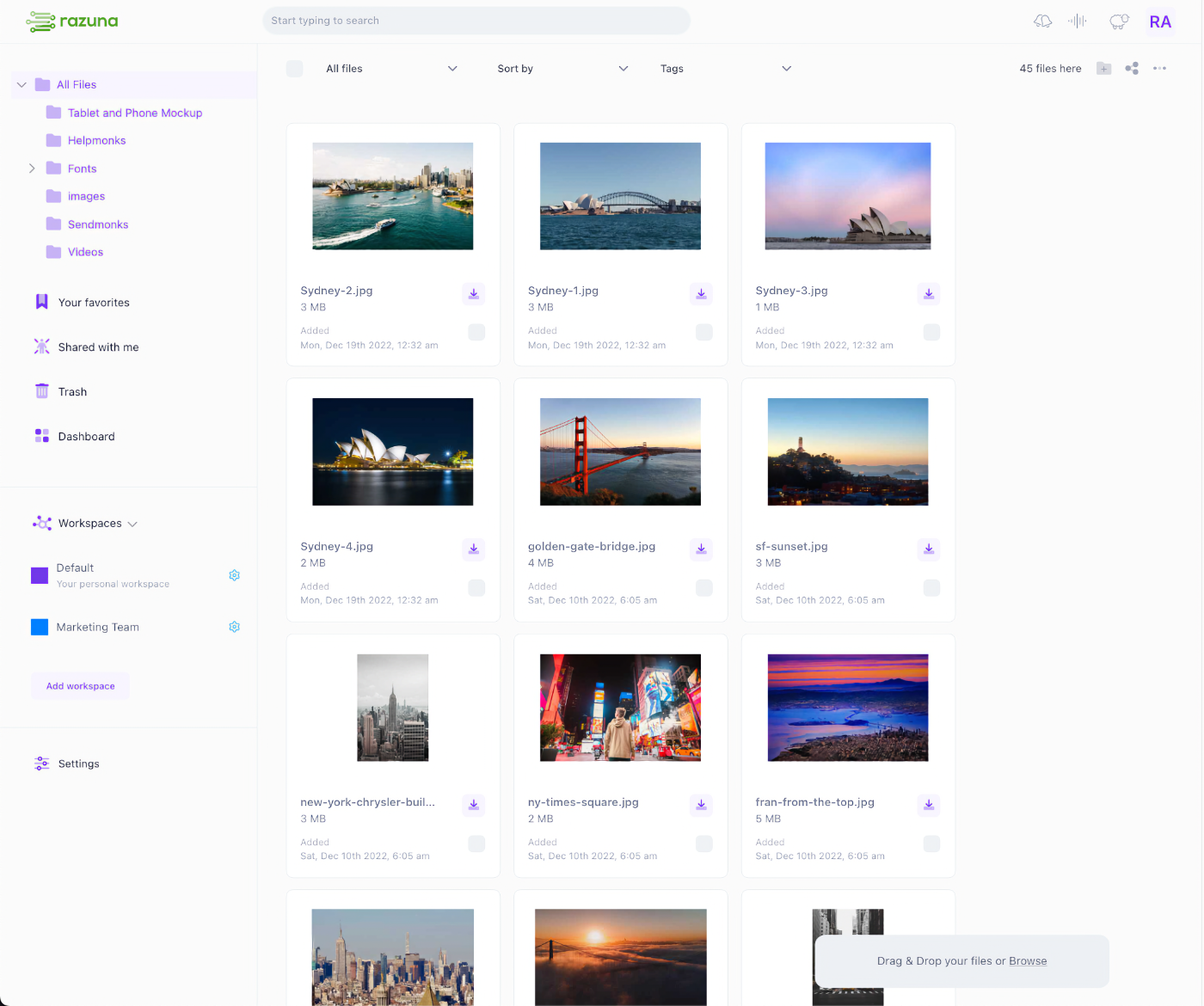
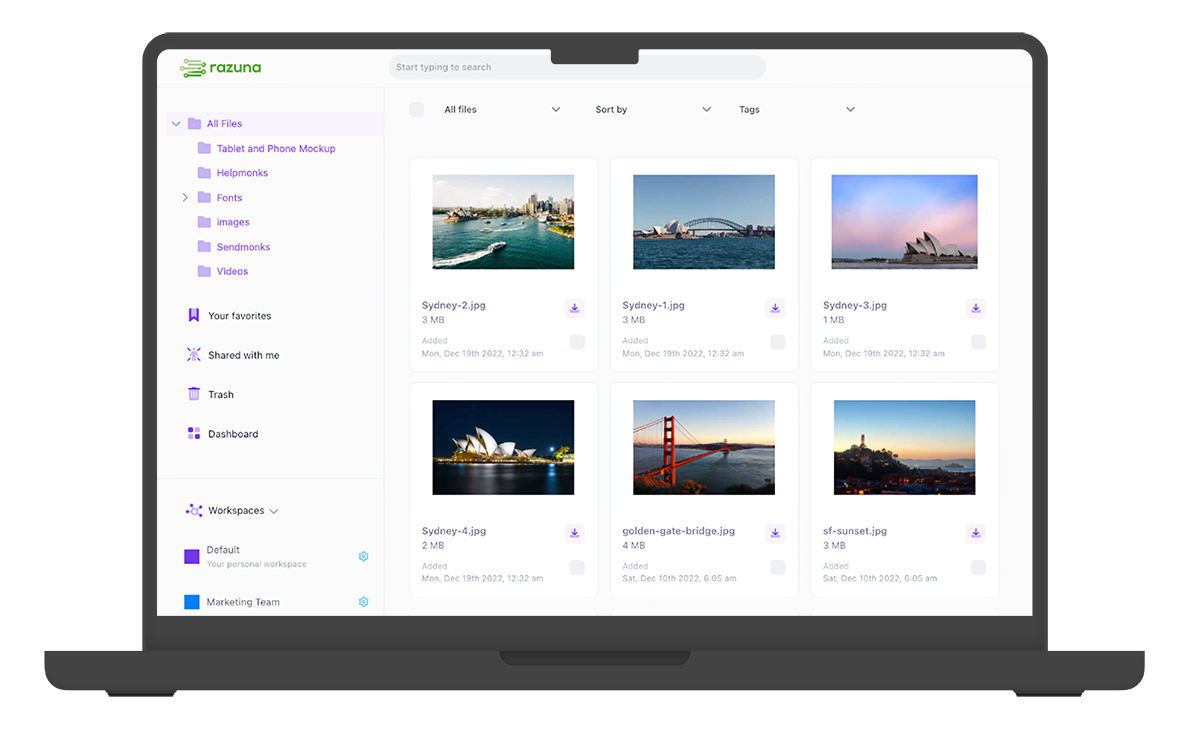
A digital asset management system is a centralized software platform that collates, organizes, stores, and manages all your digital assets in one secure database. Think of it as the command center for your entire digital content ecosystem.
Beyond basic storage, a DAM system enables you to:
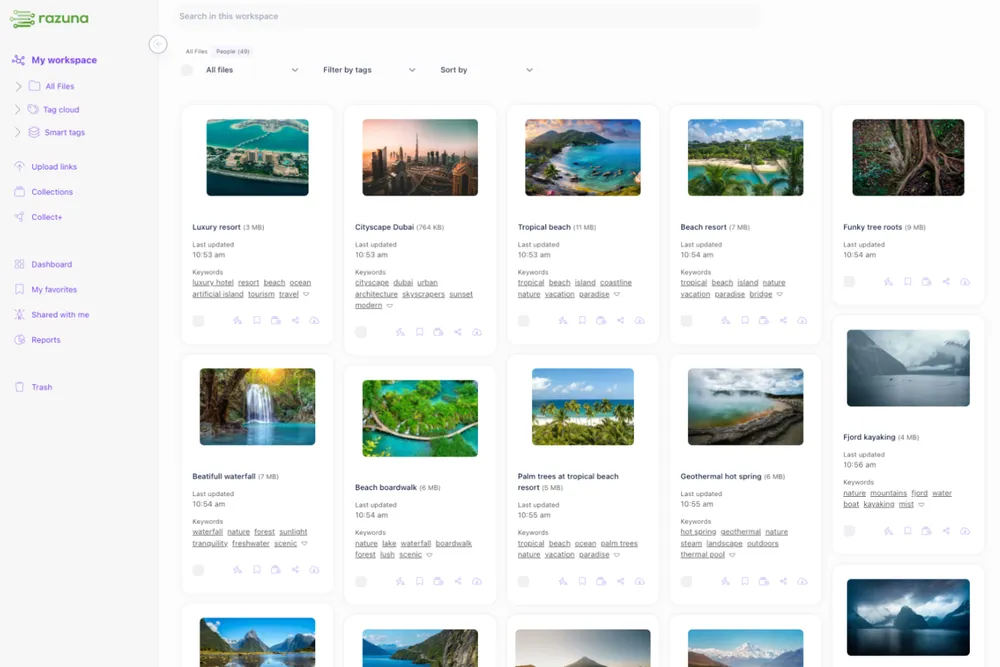
- Organize assets with custom folders, collections, tags, and metadata
- Search and retrieve files instantly using advanced filters and AI-powered search
- Edit and transform assets directly within the platform
- Share files securely with internal teams and external collaborators
- Control access through granular permissions and user roles
- Track asset usage and maintain version history
- Distribute content to multiple channels and platforms
- Automate workflows for approvals, conversions, and publishing
The specific capabilities vary between platforms, but most modern DAM systems share a core set of features designed to streamline how teams work with digital content. Leading solutions like Bynder's AI-powered DAM leverage artificial intelligence to automate tagging and optimize content, while platforms like Pics.io excel with advanced search capabilities that make finding the right asset effortless.
What Does a DAM System Do?
If you have digital assets, you have to store and manage them properly. Digital asset management is about creating order out of the growing collection of your digital assets. And in large businesses, this digital collection can be vast indeed.
We're not just talking about your logo, brand story, and slogan. There are images, video, and audio clips you use for marketing and advertising. Then there are infographics you use for promotions. And let's not forget the digital materials you use for customer engagement in your email marketing campaigns.
A DAM system helps you make sense of all of these as they get edited, revised, and added to over time. It facilitates all the most important aspects of digital management, and many of these processes are automated. This is an invaluable aid to companies relying on small teams.
But a digital asset management system allows you to do so much more than group, store, and categorize your digital assets, as you'll see below. It benefits your company every step of the way, from digital content creation to distribution.
1. Streamlines Asset Organization
You can only properly manage digital assets when you know what you have and where they are. By housing all your digital assets in a central storage system, and further organizing them into categories and folders from there, all your other processes flow more smoothly.
2. Quick and Easy File Retrieval
A DAM system also makes quick and easy file retrieval possible. This is always useful to any business. But it is crucial when you're understaffed, or working to an especially tight deadline. If you don't have time to waste searching for specific files, you need a DAM system.
No matter how many digital assets you're dealing with, a digital asset management system lets you find exactly what you need, quickly and easily. When you're dealing with dozens or even hundreds of digital assets a day, that's a lot of time saved. Projects get completed faster, and everyone wins.
3. All-in-One Content Collaboration and Sharing
You rely on multiple key players to achieve your goals. Teamwork and collaboration are at the heart of every successful team, from brand development and promotions to marketing and customer engagement. When you effectively delegate the work and collaborate on content, you'll meet deadlines with ease.
A digital asset management system facilitates the process with collaboration tools for sharing, editing, sharing, and commenting on content. Even the editing and review process, which can often become complicated and drawn out, becomes simple and uncluttered.
4. Effective Brand Management
Your brand is your company or product's personality. It distinguishes you from your competitors. Your brand consists of several elements - your name, logo, slogan, design, color scheme, and more. These all exist as digital assets and need to be not only stored and maintained but safeguarded from corruption, loss, and theft.
A digital asset management system allows you to preserve the integrity of your brand. Everything is safely stored, and the access is controlled, in the DAM system. Each file can have separate access control and permissions settings, so you have peace of mind when collaborating on confidential content.
5. Publish and Distribute Content Digitally
Most of your creative digital assets are meant to be shared with the world in the form of marketing campaigns. How this happens may differ from one company to the next. Even within the same organization, there may be multiple platforms where your content is published.
With the right DAM system, you can not only create, edit, and store your creative content but also publish and distribute it, all in the same place. Integrations with leading social network platforms make this even easier.
Benefits of Using a Digital Asset Management System
Because a digital asset management system can do so much, it's no surprise that it offers many benefits.
1. Efficient Asset Organization
As we've mentioned above, a DAM system helps you to create order out of the chaos and streamlines your asset organization. This is the first, and most important, benefit you'll realize when you start using a digital asset management system. It paves the way for all of the other DAM benefits.
2. Enhanced Search and Retrieval
Customizable folders, labels, tags, and descriptions make finding files easy. Easier searches lead to lightning-fast file retrieval. This, in turn, leads to faster, well, everything - from individual editing to project collaboration, distribution, and sharing.
3. Optimized Collaboration
Few creative projects are ever handled individually. Most creative content is the result of intense collaboration, both in-house and with outside interests. This is a good thing. It's what keeps your brand and your marketing vibrant, and more engaging.
However, this necessitates some dependable content collaboration software. Quick file sharing and options to comment on and add notes to content, make your collaboration efforts a breeze. If you collaborate on digital assets, you need DAM software to get it done right.
4. Version Control
One of the most common facets of content collaboration is constant revision. This is necessary to get your digital content ‘just right'.
Content creation is often a case of trial and error. Often, teams need to go back to the drawing board and rehash an earlier concept they discarded. With a DAM system, this is nothing to fear.
Thanks to version control, no earlier version of a digital asset in progress is ever lost. Once you've determined which version of a digital asset is the one you want to keep, it can easily be restored.
5. Brand Consistency
Your brand represents your company, products, or services. It makes you recognizable to consumers and sets you apart from the rest. This is what regular customers respond to in a sea of competitive content. But to maintain the positive relationship you have with your loyal fanbase, your brand must be consistent.
By safeguarding and maintaining digital content, as well as preserving all versions of digital content collaboration, brand consistency is assured.
Most DAM tools also allow users to access their brand guidelines from within the platform. This ensures that all digital assets created and edited adhere to the brand standards.
6. Time and Cost Savings
Once you start using a digital asset management system, you'll soon realize how much time you're saving. That's not all you'll be saving, though. You'll also be saving quite a bit of money. That's good news for any business, of course, but it's especially good news for new entrepreneurs.
When you're a startup company with a tight budget, the pressure to do more with less is high. Because your DAM system allows you to do so much in one place, you conserve resources while still doing all you need to do with your digital assets.
7. Asset Security
Asset security is one of the most important DAM system benefits. There's a good reason for this. In this cyber age, the risk of loss, corruption, or theft is always present. You may be concerned about the safety and security of your digital assets, especially if collaborating with parties outside the company.
Access control and permission features on DAM systems prevent unauthorized people from accessing or sharing your content. When a collaborator leaves the team, or an employee leaves the company, simply revise the access control and permission settings.
8. Scalability
Do you have big plans to expand your business? It's important to dream big, but you'll need more than motivation and drive to get there. You'll need the right strategy, along with scalable software and tools that take your digital assets with you into the future.
Fortunately, one of the features of a good DAM system is scalability. It'll handle the growing load of digital files, and help you transition to the next stage of your development. Thanks to your DAM system software, your digital assets collection can grow with you, and join you on the journey to future success.
Who Needs a DAM System?
Virtually every business needs a digital asset management system. No matter which industry you operate in, you'll need a DAM system. Here are just a few examples of businesses across multiple industries that need digital asset management to do what they do best.
1. Marketing and Advertising Agencies
Marketing and advertising agencies, big and small, all need digital asset management for their content - images, videos, and more.
Are you entrusting your branding and marketing needs to an in-house team instead of an external marketing agency? You need it too. The right DAM system makes easy work of all these processes, even when you decide to take care of marketing in-house.
2. Media and Entertainment Companies
Media and entertainment companies also need digital asset management for their images, video, and audio clips.
They have large portfolios of creative digital content to store, collaborate on, publish, and distribute. And the more that portfolio grows, the more they'll need an effective, scalable DAM system, to keep the wheels of their content production turning.
3. E-commerce Businesses
Even e-commerce businesses need a DAM system. When you're selling products online, you need high-quality images to promote your products and entice consumers to buy.
You ultimately rely on your catalog of product images to make sales and bring in profits. The larger the catalog, the more images you'll inevitably have. Don't worry, a good digital asset management system keeps them all organized, yet accessible.
4. Game Developers and IT Departments
Do you develop gaming software or provide IT services? You need a DAM system, too.
Anything digital, that has value and that you own, is a digital asset. This goes for the imagery used in games to the software and code files used for your creations.
5. Manufacturing and Product Design
If you're in the manufacturing industry, digital asset management also applies to you.
You develop and manufacture products. And what are those digital copies of your product designs? They're digital assets and as such need to be properly organized and safeguarded.
6. Legal Teams
While the legal world may seem far removed from digital asset management, they need it as much as other sectors.
Anything that is digital and holds value is an asset. That applies to text files too, like your digital case files. Where confidentiality is of prime importance, a DAM system is an absolute necessity.
7. The Insurance Industry
Insurers and insurance brokers have to distribute digital application forms to prospective policyholders. You have to distribute benefits schedules to new policyholders, to inform them which services and treatments are covered.
A DAM system will safely store and categorize these documents, so you can easily retrieve them and send them to clients.
Conclusion
A digital asset management system is no longer a luxury—it's a necessity for businesses across industries. Whether you're managing thousands of product images, collaborating on marketing campaigns, or ensuring compliance with brand guidelines, a DAM system transforms how your team works with digital content.
The right platform delivers tangible benefits: streamlined workflows, enhanced collaboration, improved brand consistency, and robust security. Modern solutions leverage advanced capabilities to make these benefits even more powerful. Bynder's AI-powered DAM automates content optimization and intelligent tagging, while Pics.io's advanced search functionality ensures teams can instantly locate the exact asset they need from massive libraries.
For businesses seeking a comprehensive, user-friendly solution that balances powerful features with affordable pricing, Razuna delivers exceptional value. Our digital asset management platform has helped organizations across multiple sectors bring order to their digital chaos. Register your free account today and discover how Razuna can transform your digital asset management!
Related: Compare options using our DAM guide, and review what’s included on /features/.